Monthly Sunday Reading Group at RZH
We meet monthly to discuss readings that question capitalist production, social reproduction and capitalist states.
We put together a reading list below as a jumping off point.
We are about thinking big, thinking local, forming connections and foundation.
We are happy to discuss past readings with you too. Check out the resources below.
Contact us at therhizomehouse@protonmail.com if you need a copy of the current book.
Next discussion group meetup:
Sunday, September 27th at 2pm - chapters 1-3:
Mistaken Identity: Mass Movements and Racial Ideology by Asad Haider
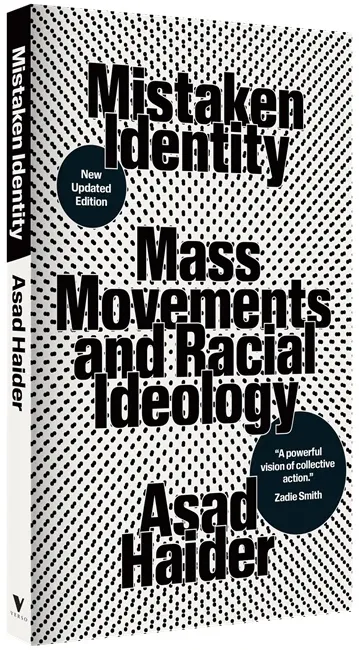
RIP Asad Haider.
We look forward to reading his book Mistaken Identity, a critique of identity politics, including working class identities.
Check out articles by Asad in Viewpoint, the magazine he co-founded here.
Viewpoint Magazines issues on topics like Occupy, Theory and Practice, Workers' Inquiry, The State, Social Reproduction and Imperialism are rich resources worth your time.
More info on the book:
Whether class or race is the more important factor in modern politics is a question right at the heart of recent history’s most contentious debates. Among groups who should readily find common ground, there is little agreement. To escape this deadlock, Asad Haider turns to the rich legacies of the black freedom struggle. Drawing on the words and deeds of black revolutionary theorists, he argues that identity politics is not synonymous with anti-racism, but instead amounts to the neutralization of its movements. It marks a retreat from the crucial passage of identity to solidarity, and from individual recognition to the collective struggle against an oppressive social structure. Weaving together autobiographical reflection, historical analysis, theoretical exegesis, and protest reportage, Mistaken Identity is a passionate call for a new practice of politics beyond colorblind chauvinism and “the ideology of race.”
Good places to start list / past readings:
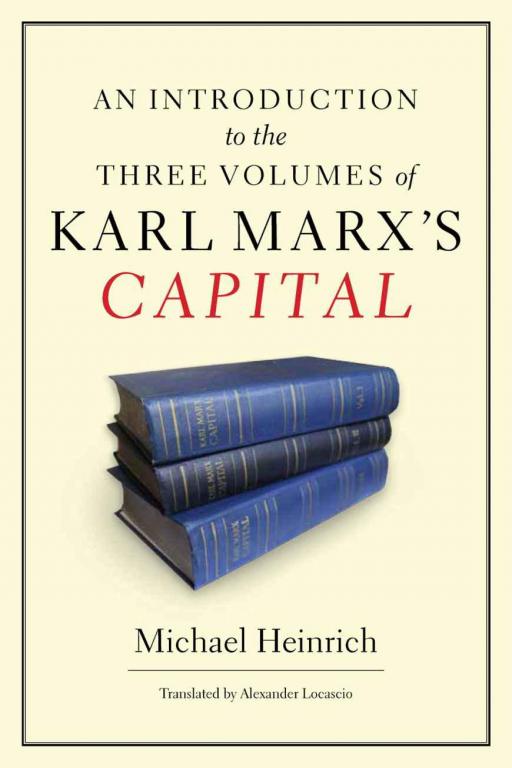
Introduction to Capital - Michael Heinrich
See our discussion guide/zine for more resources:
https://libcom.org/article/beyond-money-commodities-and-state-discussion-guide-heinrichs-introduction-capital
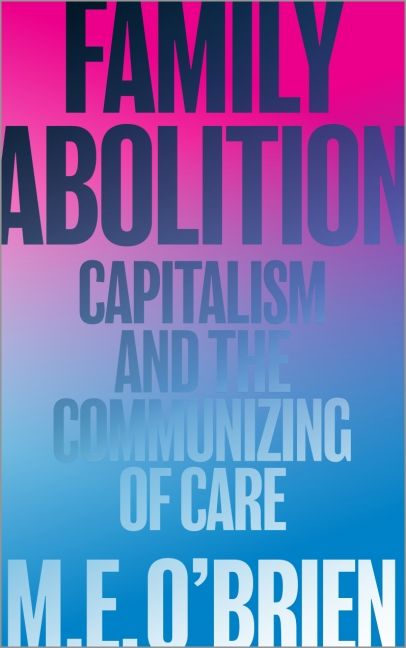
Family Abolition - M.E. O'Brien
Optional stuff/critique:
The Welfare State and the Bourgeois Family-Household - Kirstin Munro
The Communes of Rojava: A Model In Societal Self Direction - Neighbor Democracy (40 minute video)
Fetishism, Money and the State Readings:
Fetishism - John Holloway
(Chapter 4 of Change the World Without Taking Power)
John Holloway had a huge impact publishing the book Change the World Without Taking Power in 2000. Here he outlines the concepts of commodity fetishism and reification. Fetishism can also be extended to the state and money.
Money - Samuel Chambers
Chambers writes that all money is a credit-debt relationship of trust and representation of value. Building on concepts of fetishism, Chambers claims money has no value itself.
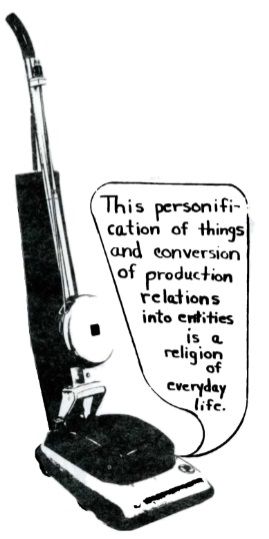
Fetish Speaks Comic Zine - Freddy Perlman
Perlman's short zine on commodity fetishism and reification. Enjoy the restored art from this 1973 comic.
Updated translations of fetishism and trinity formula to go along with comic here.
Towards A New State Theory Debate - Chris O'Kane
O'Kane outlines a critical theory of the state by bringing together the work of Johannes Agnoli, Werner Bonefeld, and Simon Clarke. Agnoli is known as a leading voice in extra-parliamentary opposition in Germany in 1968 and coined the term "open Marxism" as an anti-state critical theory which Bonefeld, Clarke, Holloway and others are a part of.
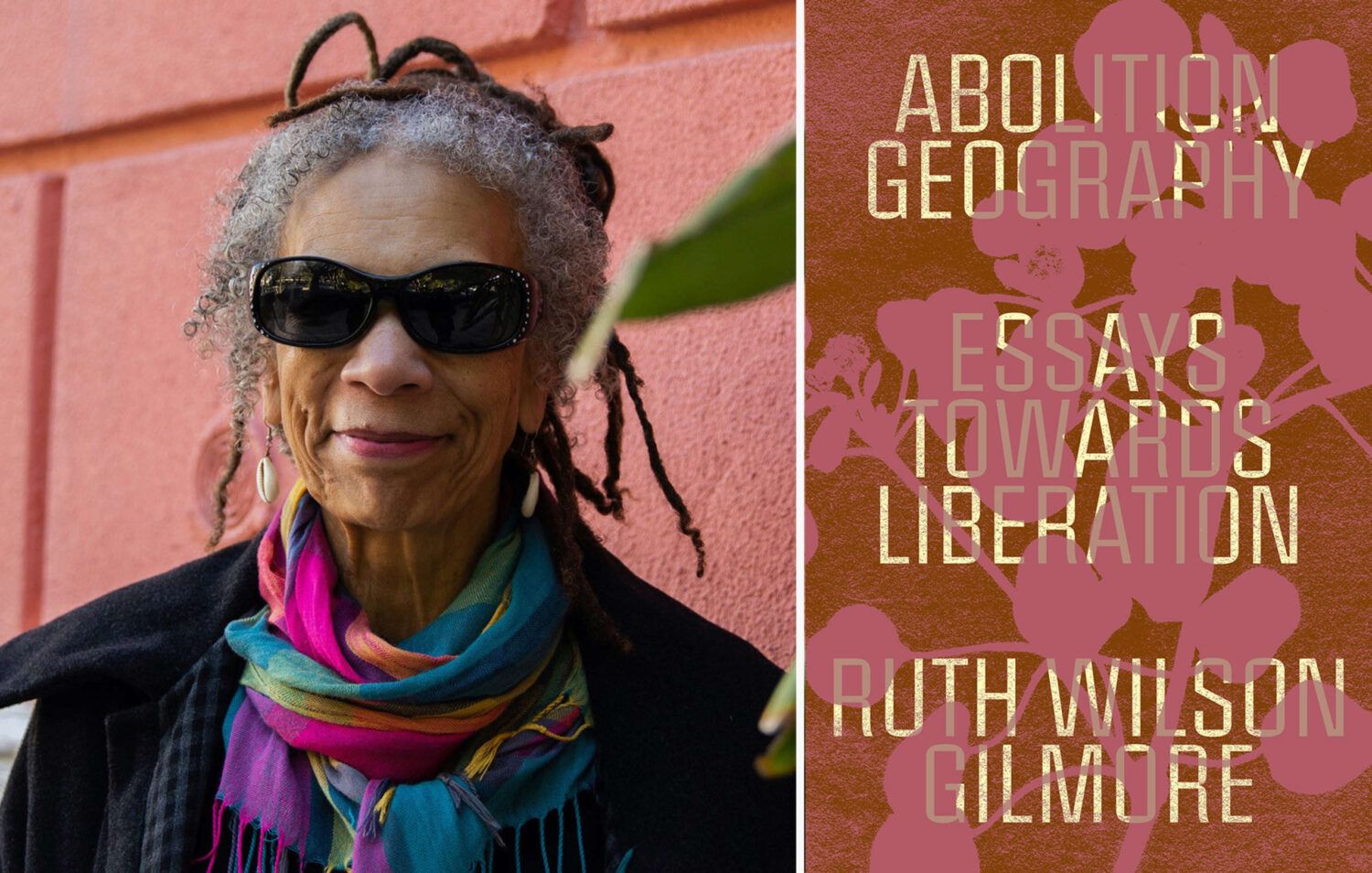
Abolition Geography by Ruth Wilson Gilmore. Race, Prison Abolition and the State:
5. Race and Globalization (2002, 18 pages)
6. Fatal Couplings of Power and Difference: Notes on Racism and Geography (2002, 15 pages)
12. Restating the Obvious (w/ Craig Gilmore) (2008, 24 pages)
20. Abolition Geography and the Problem of Innocence (2017, 22 pages)
Other stuff we've read:
The Workers’ Inquiry and Social Composition by Notes from Below
Cyber-Physical Decentralized Planning for Communizing by Pedro HJ Nardelli
The Long Retreat by Boris Kagarlitsky
The Serviceberry by Robin Wall Kimmerer
Making Workers: Radical Geographies of Education by Katharyne Mitchell
Resisting Erasure: Capital, Imperialism and Race in Palestine by Adam Hanieh, Robert Knox and Rafeef Ziadah
Interviews with Radical Palestinian by Shoal Collective
What's Left: Three Paths Through the Planetary Crisis by Malcolm Harris
The Zapatista Experience Rebellion, Resistance, and Autonomy by Jérôme Baschet
The Operating System: An Anarchist Theory of the Modern State by Eric Laursen
Eros and Alienation: Capitalism and the Making of Gendered Sexualities by Alan Sears